We tend to associate the term ‘etiquette’ with the marginally useful instructions on which fork to use or how to hand-write a dinner invitation. Etiquette in fact is the minimum necessary guidelines of civility in a particular context. Without this information, you will be considered anti-social. A good example is standing in line, which is a social practice in Europe and North America. Etiquette changes over time (such as taking off hats indoors) and is subject to social debate (such as men opening doors for women).
It’s useful to realize that etiquette is not law. As drivers of vehicles, our sociality is encoded in law. Face to face, much of our behavior is regulated by custom and etiquette. That means we are free in some sense to adhere to it or flaunt it without criminal consequences. It means that we behave in accord with etiquette because we believe it is compellingly good to do so in ways that may or may not be readily apparent.
I find that many people these days reject the tango etiquette as old fashioned, “macho”, or irrelevant.
People are especially hostile to the cabeceo. Along with it, they throw out all guidance of behavior. They don’t consider that the codigos (tango etiquette) protects all of us. Here are some of the most important codigos. (See our Etiquette page for a complete guide.)
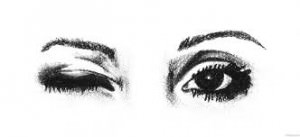
Use the cabeceo and mirada to contract dances consensually and discretely. (More on this in Part II of Etiquette 2023.)
Even if you are not enjoying dancing with your current partner, always finish dancing the current tanda with your best effort and a neutral or positive look on your face and say “thank you” before separating from them.
If you are not a teacher, do not give corrections or feedback while dancing. (If you are a teacher minimize it and be discreet.)
Do not talk about dancers positively or negatively with other dancers. (You want your friends and fellow dancers to feel safe and confident dancing with you. If you criticize other dancers openly, those listening will know that you will do the same about them. If you rave about a dancer, you may induce doubt and insecurity among those who listen.)
Be sure you are clean, with fresh breath, and if you wear perfume or aftershave only use a little bit and place it where it won’t transfer to your partners.
While dancing and chatting between dances, stay in your lane and don’t block traffic.
Spend a third of your time dancing encouragingly with beginners and other people below your level and do not expect more than a third of your dances to be with people above your level.
If you have a [1] dance partner, [2] love partner, or [3] host (someone who is organizing for you, giving you a place to sleep, or a ride), your first and last tandas of the night are reserved for this hierarchy, and everyone knows it. The cumparsita (last song at the end of the night) is especially important for couples and dance partners. If someone you are dancing with has such an obligation, release them supportively. The moments before the last tanda and cumparsita are the only situations that it’s completely ok to leave someone or be left on the dance floor.
Blog posts about the codigos, cabeceo, emotions, and etiquette