These days if you talk to a dancer about dancing,they will inevitably justify their lack of ambition by saying “it’s all about connection and musicality”. Quite true. These are some of the special and delightful aspects of Argentine Tango. We have a technology for achieving a much more precise unity than many other dances (or activities). Argentine Tango allows leaders a more personal relationship to the music than other partner dances. And these two things are related: it’s the quality of our connection that allows leaders to communicate their musical interpretations and allows followers to respond with precision.
I have always been hesitant to teach musicality because I feel it is and ought to be personal. I infamously walked out of a class when my teaching partner stood in the middle of the room clapping in an effort to get 50 people to step on the same beat.
My only musicality class takes the form of playing a wild collection of short segments of music to students who sit with a notebook and closed eyes. I ask them to identify a handful of the 25 tango elements which fit each segment. After each segment they take notes on their imaginary dance and exchange ideas.
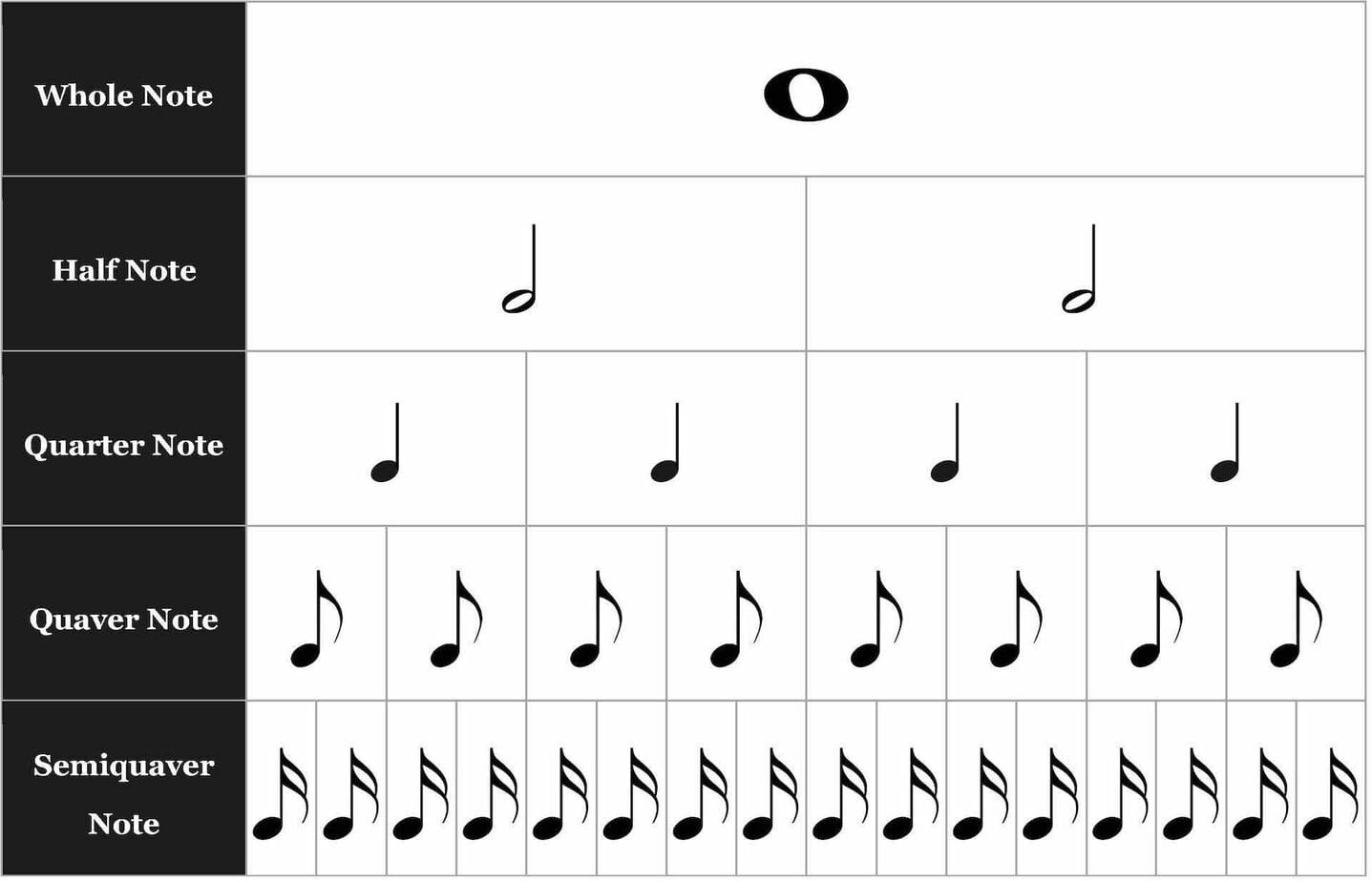
One of my favorite leaders once asked me “Which rhythm do you prefer?” When I didn’t answer readily he told me that while 2-4 is very popular and no one does 1-3 anymore, he himself likes to play with 1-4. I received this report on musicality with fascination and alienation. Faced with such arcana, I felt ashamed to say that the musicality that matters to me is the melody, which I want to caress with my pointed toes. For me, the rhythm is just a not-very-beautiful place to regroup.
With one of my other favorite leaders, we evolved a process for beginning of each song. We would develop a mood together, expressed through adornos and dynamic of movement, which we would share and elaborate throughout the song. This experience led to my articulation of the technique “El Encuentro” in which dancers start each dance alone and find each other and the embrace through the music.
Recently, I was talking with two of my favorite DJs. They both told me “I play for the women, not the men.”
“Is it different?”
“Oh yes! Men like music that they know and they want very distinct rhythm. This makes them feel they know what to do. Women like music that’s emotional.”
One of these DJs is also a VJ. She believes that her image choices also reflect this different, gendered desire. “I’m trying to create a dreamy atmosphere, not pound out geometry to the rhythm.”
Both DJs observe better leading when the music is less known. “They have to listen!” This confirms our observations from our TRYST sessions, which offered dancers completely improvised music. It seemed the dancers we watched every week were suddenly more connected to their partners. Afterwards many women reported “wow, the guys dance sooo much better to this music!”
The focus of musicality as a study of rhythm is incomplete. The musicality of our dancing is also about every other sensation that music imparts … flourishes and explosions, atmosphere and our mood, emotions and memory… Musicality then is the dimension of tango in which we impart our personal musical sensations and sentiments to our partner.
Argentine Tango technique enables us to use our our bodies to stay precisely connected. If a song makes you cry, and your partner has the physical capacity to truly accompany you silently through that emotion … that’s profound musicality.